The Princess Has Arrived

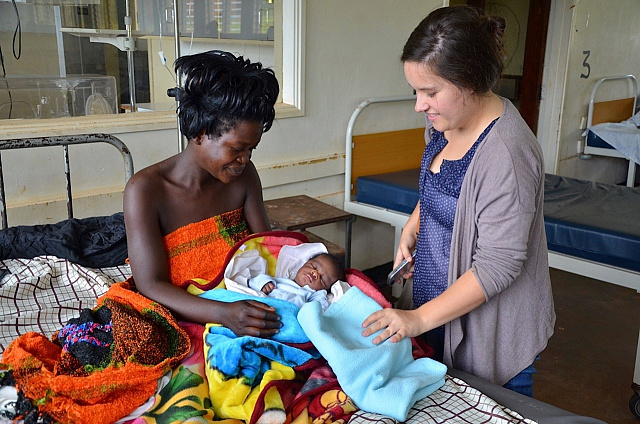
The princess has arrived. Like many royal watchers (including my mom), I have been eagerly anticipating the arrival of the Duke and Duchess of Cambridge’s new child. On Saturday May 2nd, Princess Charlotte Elizabeth Diana was born. I received news of the royal birth announcement in an unlikely but meaningful place – the maternity ward at Kawolo Hospital in Uganda.

The Duchess of Cambridge gave birth in the world-renowned private Lindo wing of St. Marys Hospital in London. Both mother and baby received some of the highest quality medical care available. Despite challenges with staffing and resources, Kawolo Hospital is one of the best public health care facilities in Uganda. It has been a part of Save the Mothers‘ Mother-Baby Friendly Hospital Initiative working to improve conditions at the facility.
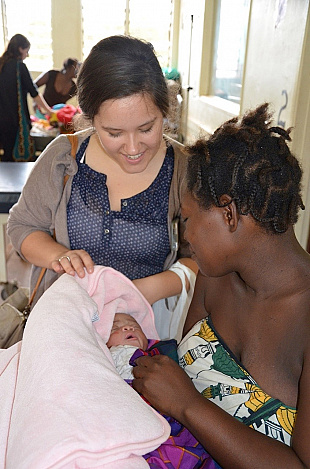
At one time Kawolo Hospital lost about 15 mothers a year to pregnancy and childbirth complications. That has now reduced to 1-2 deaths per year – a number that is still unacceptably high. With approximately 4,800 births per year, staff in the maternity ward are kept busy. Childbirth in Uganda and in many countries around the world is still one of the greatest threats to a womans life where access to obstetrical care is limited.

This is a cause that should matter to us all. The psalmist wrote of his Heavenly Father saying, “For you created my inmost being; you knit me together in my mothers womb. I praise you because I am fearfully and wonderfully made; your works are wonderful, I know that full well.” (Ps. 139:13-14) Every individual is uniquely created by God. Jesus told his disciples that every hair on their head was numbered. Each person has an immeasurable value as a child of God.

One of my favourite films growing up was A Little Princess. The protagonist, Sara Crewe, is forced into servitude at a girls school after her wealthy father is presumed dead. Despite her impoverished circumstances she boldly proclaims, “I am a princess. All girls are. Even if they live in tiny old attics. Even if they dress in rags, even if they aren’t pretty or smart or young. They’re still princesses…all of us.”

Every new life is a cause for celebration. Every life has value. Hearing of the royal birth in a Ugandan maternity ward made me long for a day when every mother and baby would be given the same care and concern afforded a princess, because we are princesses…all of us.

PS: I am still raising money for my effort in the SAVE THE MOTHERS WALK on May 10th in Uganda. CLICK HERE to support me in the effort to affirm no mother or her child should die.
What is the Value of a Mother’s Life?

IMG_4985

What is the value of a mother’s life? That is the haunting question posed by Save the Mothers’ Executive Director, Dr. Jean Chamberlain Froese, wherever she speaks of the ongoing tragedy that is maternal mortality in the developing world. I have witnessed firsthand the sad reality in Uganda.

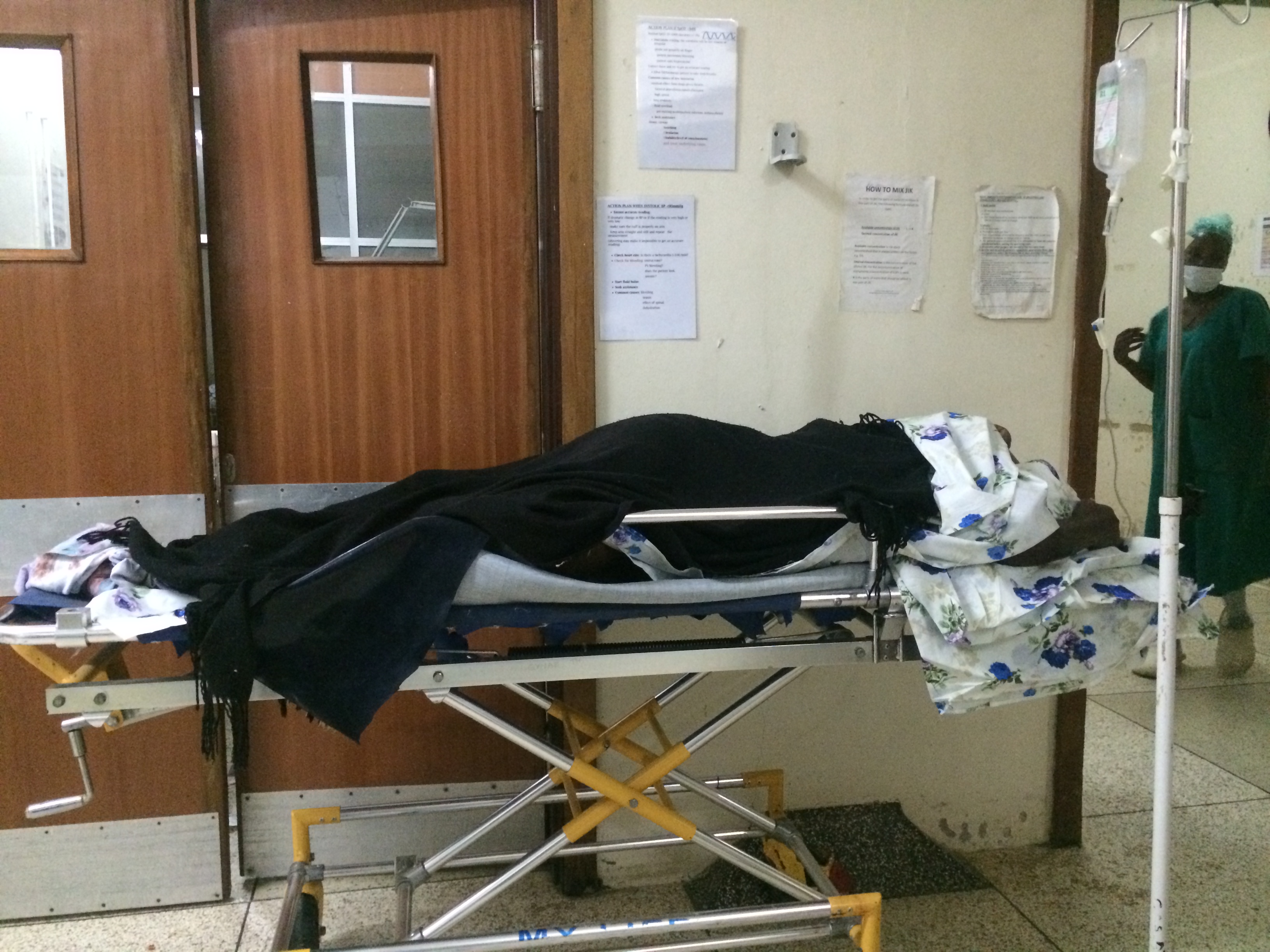
On my first visit to the largest hospital in the country, I was met with the body of a recently deceased mother. The young woman had complications, but delayed in coming to the hospital. Once she arrived, the appropriate medical interventions were not implemented until it was too late. She died a preventable death along with her baby. The mother’s body was laid on a metal hospital stretcher covered by a thin sheet, with her baby bump still visible beneath. In Canada she would have been saved. She was 25 years old.

A mother’s absence changes everything. In the global south the impact is further amplified by the socio-economic conditions unique to the developing world. Here, when a mother dies, her baby is 10 times more likely to die as well (UNICEF). In Uganda alone, the average woman bears 6 babies in her lifetime. This means that when a mother dies in childbirth, there are often many children left behind. These children are sometimes forced to drop out of school to work or care for younger siblings. Their whole future is made uncertain. Maternal death leaves children without their protector, provider and nurturer.

You may be familiar with the popular hymn Will the Circle Be Unbroken? A reworked country/folk version of the song (made famous by the Carter Family) has been frequenting my music playlist lately. It describes the death of a mother from her child’s perspective.

The poignant final verse says:

Went back home Lord
My home was lonesome
Missed my mother
She was gone
All my brothers, sisters crying
What a home so sad and lone.

Those words have stinging accuracy in my current context.

The beauty of faith in Christ is that one day the circle will be unbroken. We will be reunited with those who have gone before. But that does not mean that we should stand idly by in the face of suffering and death.

Recently, in my morning devotions I was struck again by the impact of Genesis 1:27, “So God created mankind in his own image, in the image of God he created them; male and female he created them.”Every person on this planet was uniquely created by God and in his image. What then is the answer to Dr. Jean’s question? What is the value of a mother’s life?

The answer is: PRICELESS.

With war and conflict dominating the news lately, we can easily become desensitized to death, especially when it seems so far away. Many global problems seem beyond our control. Maternal mortality, however, is one of the most predictable and preventable issues in the world today. We can stop it. We must stop it.

IMG_2548

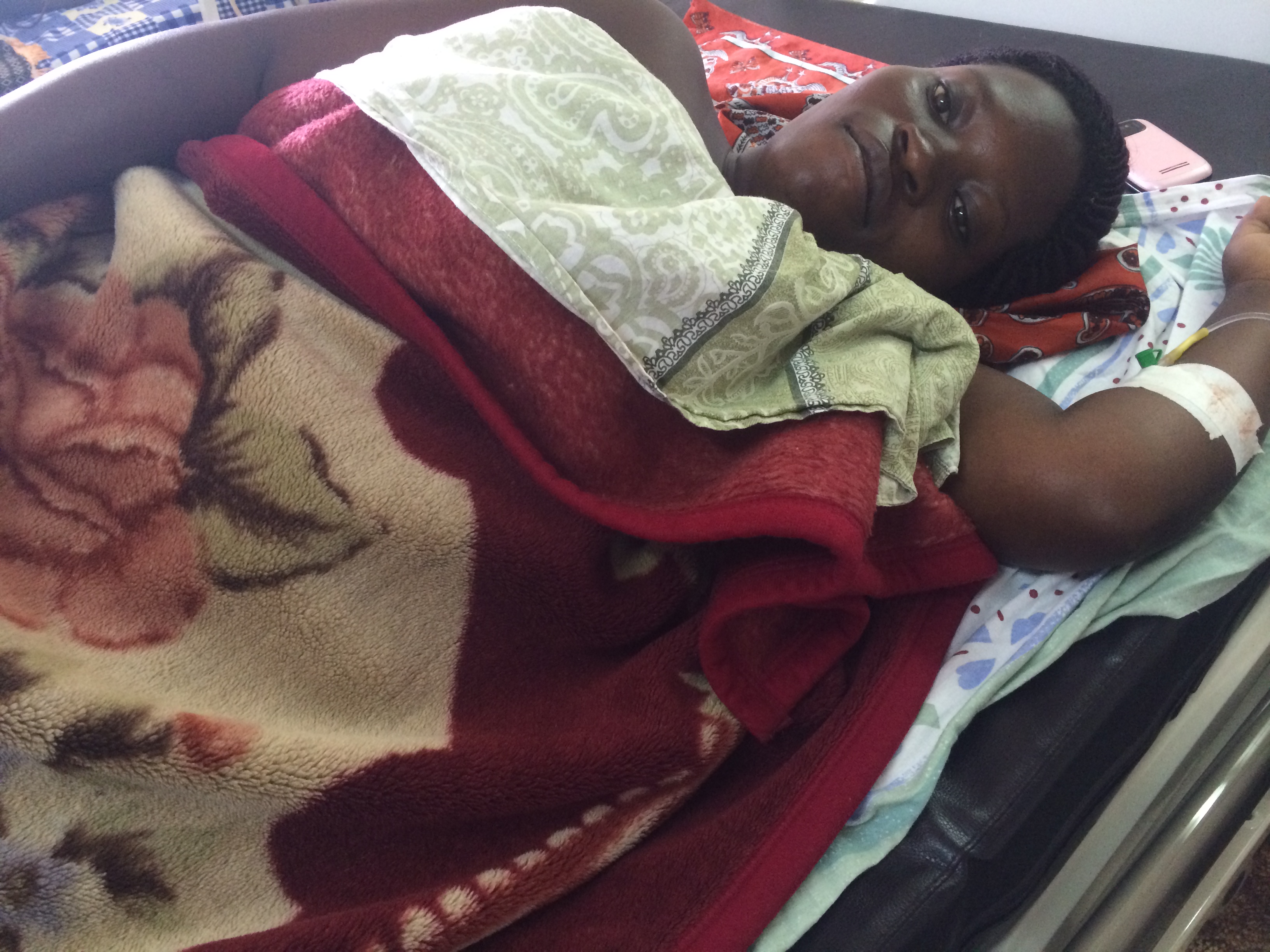
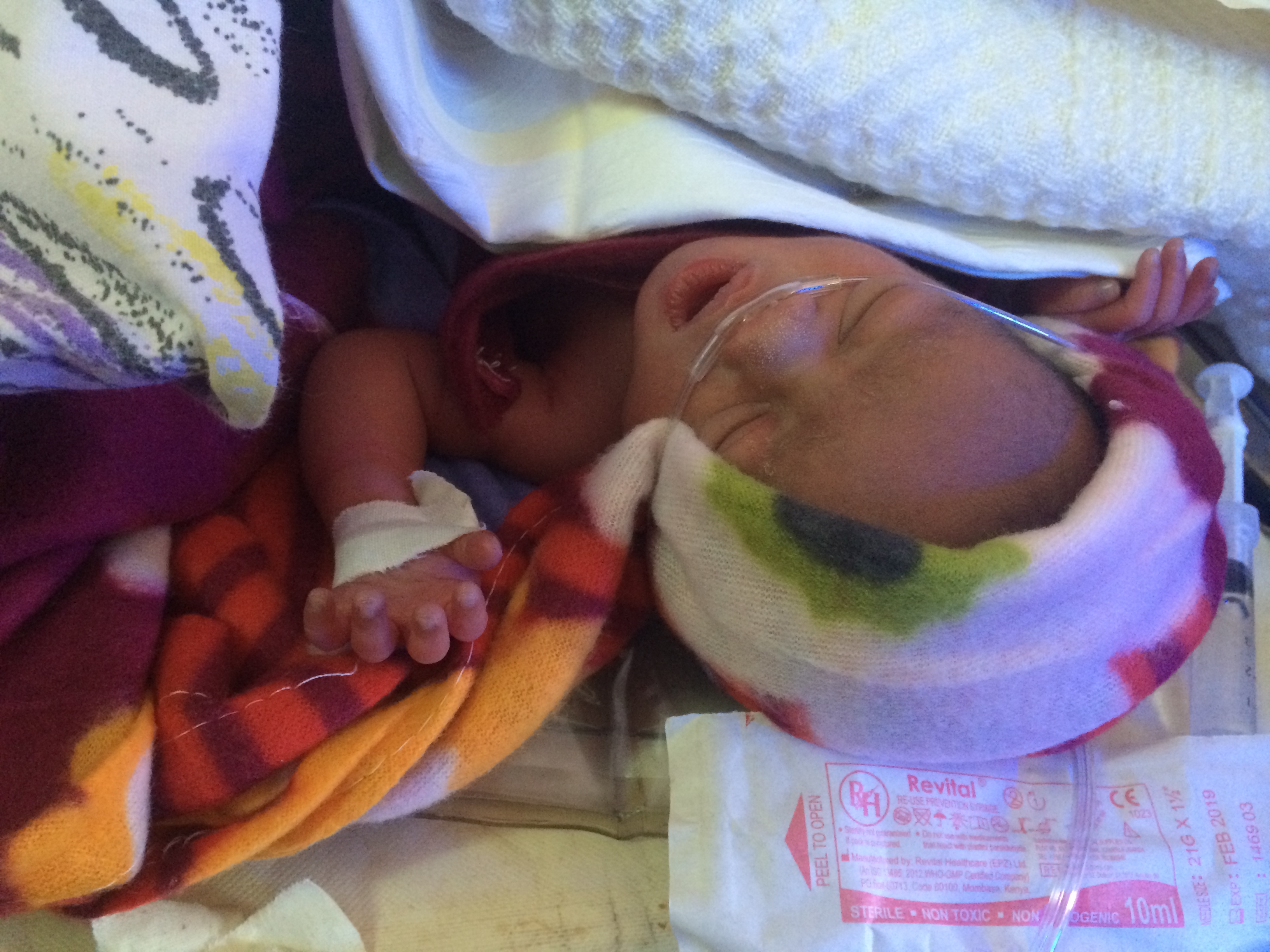
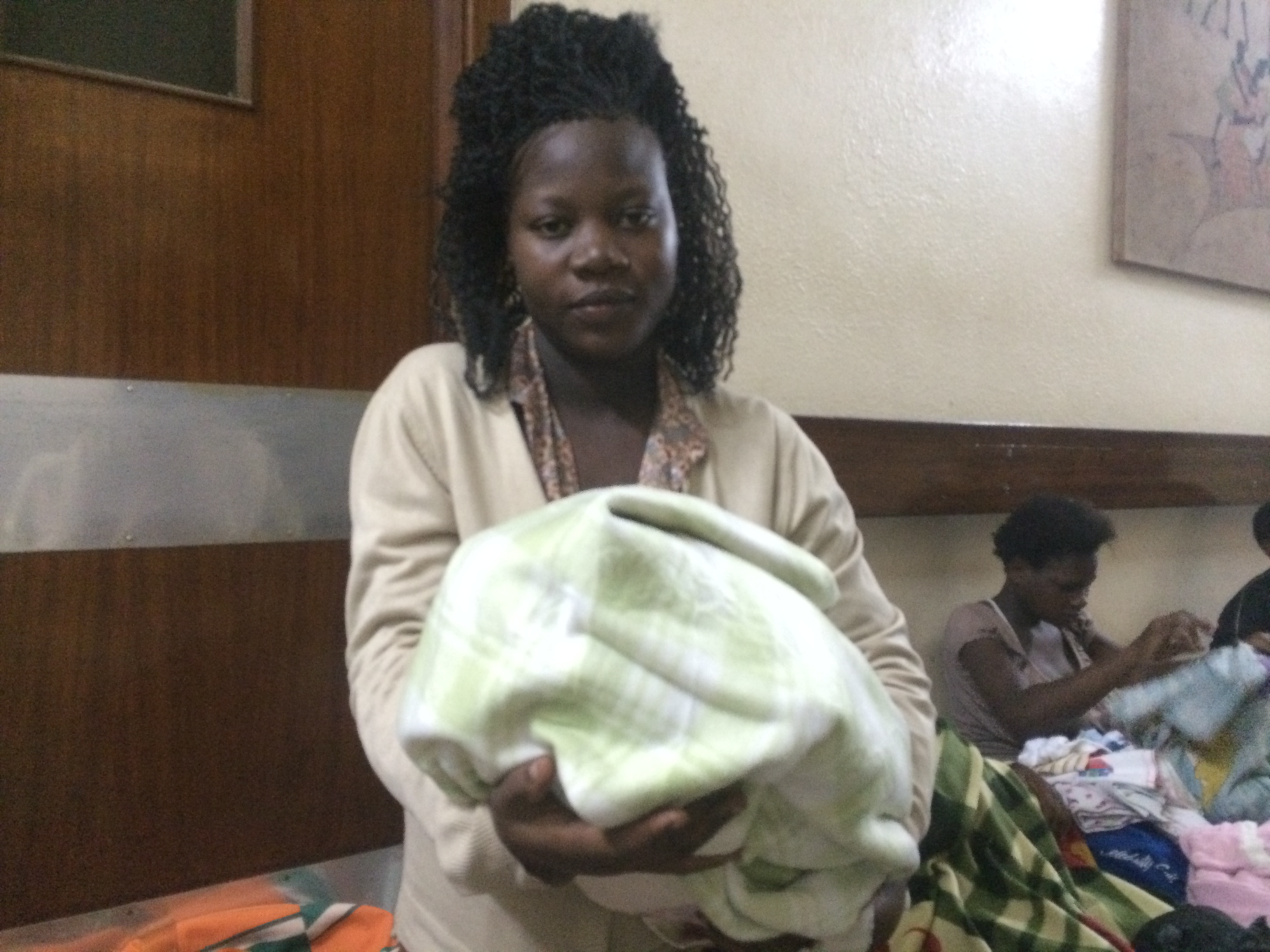
Here is a picture of a mother named Margaret. Victoria and I met her when she was carrying twins. She had four previous pregnancies but no child. Sadly, one of the babies died in utero this time round. They were unsure if the other child would live. Both Victoria and I were able to pray with Margaret before she was put under for a caesarean section. Margaret delivered a beautiful baby girl named Nakalema. Although the baby was born prematurely, with medical assistance both mom and baby are doing very well.

IMG_2568IMG_2561

On May 10th I will be participating in Steps to Deliver Change, a Mother’s Day Walk taking place in locations around the world to support the lifesaving work of Save the Mothers (STM). I invite you to join me. You may not be able to walk with me in Uganda, but there are advocates participating in walks across North America and others who are supporting financially.

Save the Mothers is an organization working with hospitals to improve patient care through the Mother-Baby Friendly Hospital Initiative. It engages and trains societal leaders through the Master in Public Health Leadership program. STM is affecting tangible change.

There is nothing so grievous as preventable death.

Every child deserves to have a mother as they grow up. 

Please join me on Mother’s Day weekend and do your part to save the lives of mothers and their babies.

For more information or to donate visit: https://cause2give.unxvision.com/P2PWeb/Default.aspx?EventId=694&LanguageId=1

Life, Death and Motherhood at Mulago

“If you are thinking about having a baby, I encourage you to wait. Maybe in your own country have one, but not if you are staying in Uganda, not after what I have seen today.”

~ Hadija (25 years old) Pregnant mother referencing her experience at Mulago Hospital

Last night I spent nearly 12 hours in the Labour Ward at Mulago Hospital in Kampala, Uganda. As the largest referral hospital in the country, the health care facility in Kampala, Uganda is intended to offer the best government-funded health care in the country. The reality is quite different. Mulago is plagued by systemic issues. It is over-crowded and under-resourced.

A mother waiting outside the operating room at Mulago Hospital

A mother waiting outside the operating room at Mulago Hospital

As I walked in to the Labor Suite, all 15 beds in the room were full of expectant mothers waiting to give birth. An additional 8 women were lying on the floor. Countless other mothers were queued outside waiting to be admitted. It was overwhelming. Many had been referred from other hospitals with life-threatening pregnancy complications. The time it took to travel to Mulago already meant a delay in care. These mothers desperately needed the operating theatre to be prepared so they could deliver via caesarean section. But there was a problem.

The operating room had no sterile gauze, instruments or surgical gowns. An autoclave is a pressure chamber used to sterilize medical equipment and supplies. It is a machine of critical importance to any operation. Last night, the largest hospital in Uganda, which sometimes hosts up to 3,000 patients, was left with only one functioning machine. For many of the women on the waiting list for surgery, every moment of delay increases the chances she or her baby will die.

Last night I witnessed a stillbirth. The baby had died in utero two days earlier. For a mother, labor is made bearable with the knowledge that on the other side of an agonizing mountain of pain, new life is waiting. Now imagine a mother faced with torturous labor but all that awaits her at the end is the lifeless body of her child. It was one of the most traumatic births I have witnessed, especially for the mother. Other mothers who were left waiting for a c-section may also lose their baby.

Violet holding Baby David

Violet holding Baby David

Although there was death, there is also life. Violet was just 19 years old and having her first child. She was so scared. I was able to speak with her and encourage her through the birth. Violet gave birth to a healthy little boy. I was more than a little stunned when she asked me to name her child. It is an honour and a huge responsibility to give a child the name he will bear for the rest of his life. I thought of King David, a man after God’s own heart (1 Samuel 13:14). That would be my prayer for Violet’s newborn.

In just one night at Mulago hospital I witnessed the joys of childbirth and the tragedy of lives lost. It gave me a greater appreciation for the work of Save the Mothers. I am a part of an organization that is helping save lives. The Mother-Baby Friendly Hospital Initiative developed by Save the Mothers is working with hospital administrators and staff to make changes in health care facilities across East Africa. They are improving maternal and newborn services so that no infant will die because the mother was delayed having a caesarean section. The challenges are many, but progress is being made. I am so grateful to be working with Save the Mothers, an organization that is truly bringing hope to moms and their babies.

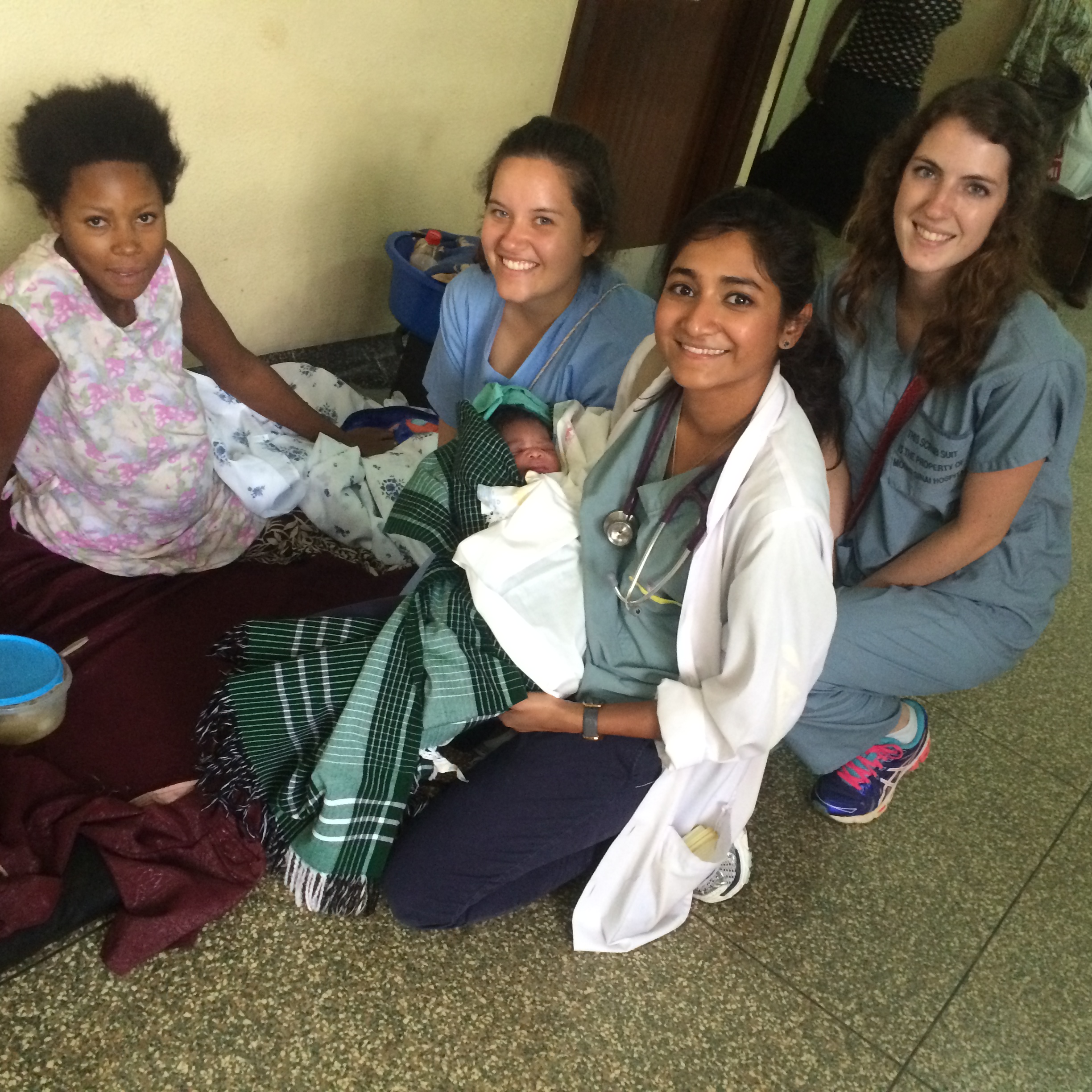
Me, Canadian Medical Student Bhairavi Balram and Save the Mothers Intern Victoria Shaw with a mother and her baby at Mulago Hospital. This was the first baby we helped deliver.

Me, Canadian Medical Student Bhairavi Balram and Save the Mothers Intern Victoria Shaw with a mother and her baby at Mulago Hospital. This was the first baby we helped deliver.

Field Trip: Maternal Health in Budondo

I took part in my first field trip yesterday. Well, my first field trip with Save the Mothers’ Master of Public Health Leadership (MPHL) class. I travelled with nine students to Budondo, a sub-county of Jinja District in Uganda. We visited Ivan, an alumnus of the MPHL program who has been working to implement safe motherhood programs in the area. This vision trip was meant to inspire current students, to help them see how their own education and passion may make an impact. It certainly challenged me.

Imagine being a pregnant woman in Uganda soon to give birth. You have the good fortune of arriving at the hospital when the single bed in the Labour Ward Room is free. The woman after you may have to give birth in the hallway, possibly even on the floor if no bed is available. It is nighttime and the health care facility has no electricity. Your midwife lights a lantern illuminating a portion of the room with a dull glow. There is also no running water in the building and the gathered supply is low. Your contractions grow closer together, your body writhing in pain. In her urgency to attend you, the midwife knocks over the lantern. The room is plunged into darkness. Your attendant’s vision now impaired, you give birth in the black of night.

This was the kind of picture painted by Ivan as he shared with us the struggles of promoting safe motherhood in Budondo. Many mothers have faced much worse. Until recently, four of six hospitals in the area were without power. But health care facilities in this sub-country of Jinja now have an advocate. Ivan lobbied the district government and Ministry of Health. In turn he received funding for solar powered lights and running water in area hospitals. These seemingly basic health care essentials are often not present. Now women in Budondo need not fear giving birth in darkness. This is just one area of maternal health in which Ivan and his team have worked for change.

Throughout our field trip, the MPHL students were attentive and interested. As those in this class approach the completion of their degree, students are now looking forward to applying their newly acquired skills. Hailing from Tanzania, South Sudan, Uganda and DRC, the potential breadth of their influence is wide. The challenges in East Africa are great. Many mothers and infants are needlessly dying during childbirth. That is why Save the Mothers is training professionals to make a positive impact in their communities. If those nine MPHL students are inspired to follow Ivan’s example, I think the future is bright.

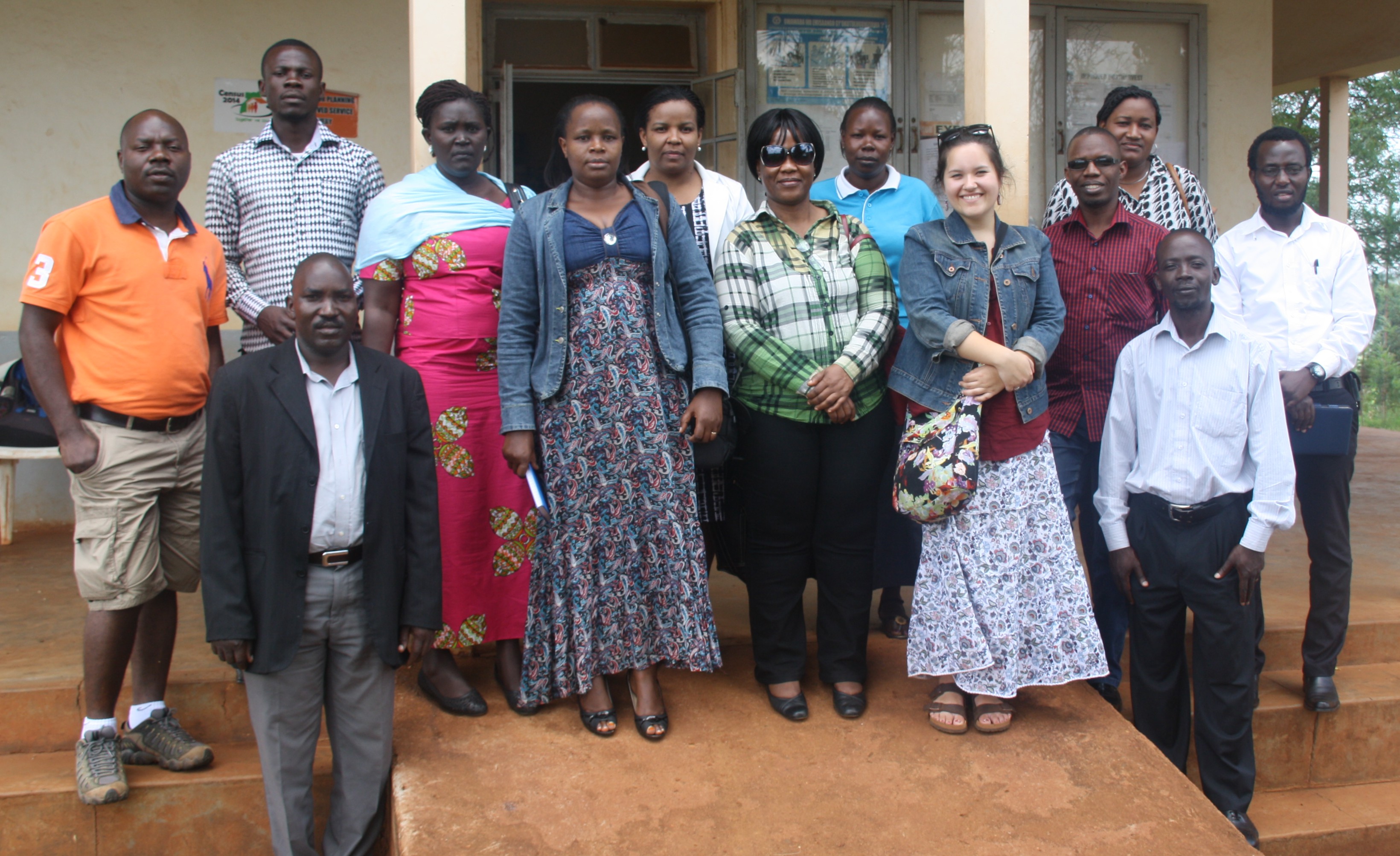
Me standing with the MPHL students as well as Ivan and his team. Ivan is the second man to my left standing on a lower step.

Me standing with the MPHL students as well as Ivan and his team. Ivan is the second man to my left standing on a lower step.

I am going to Uganda.

I am going to Uganda.

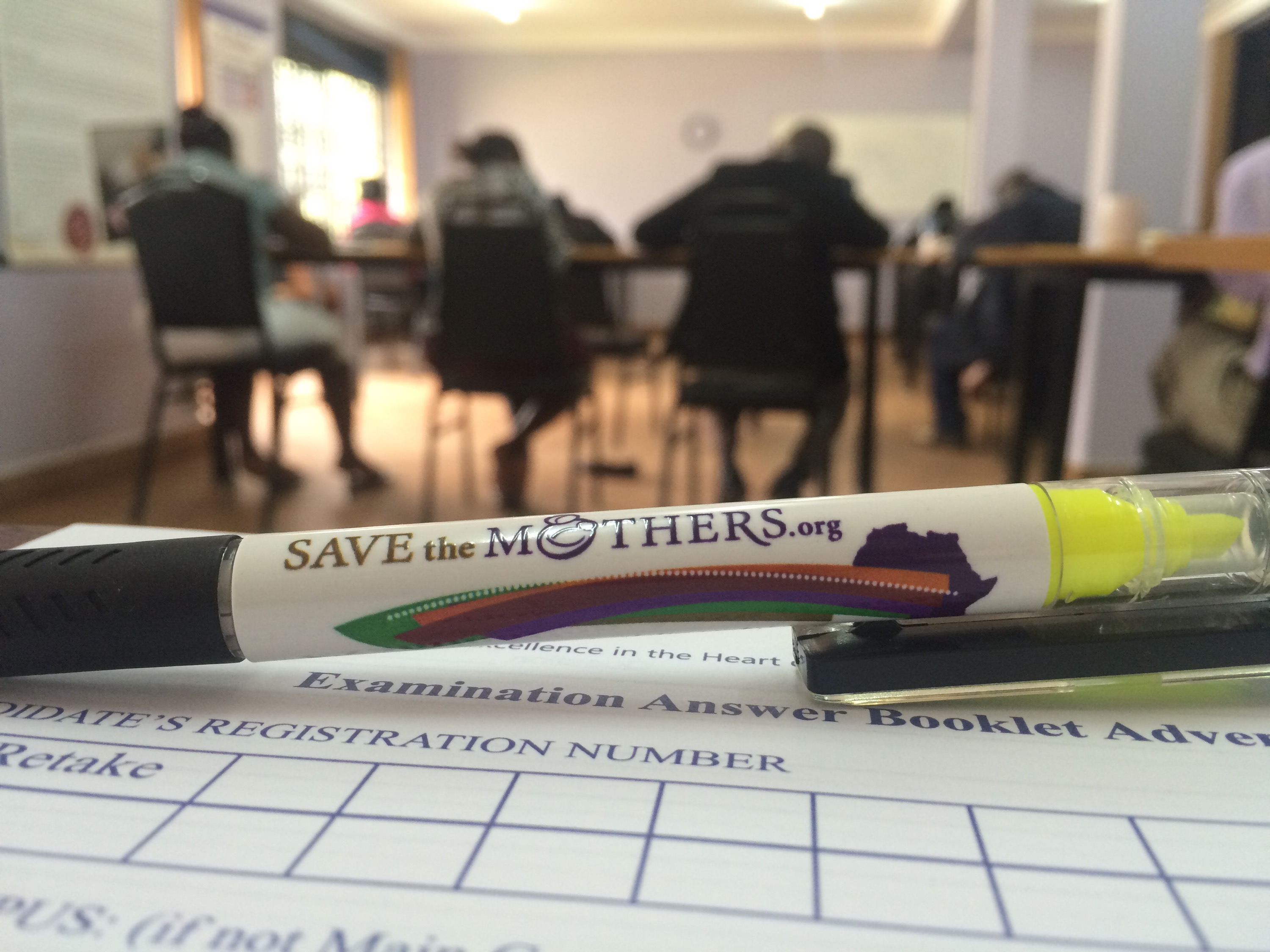
For a little over eight months I will be calling a university campus in East Africa “home.” I will be working with Save the Mothers, a Canadian charity, which runs a Master in Public Health Leadership (MPHL) program at Uganda Christian University.

The program is designed to equip working professionals from diverse backgrounds with the skills they need to promote infant and maternal health within their sphere of influence. It is saving the lives of mothers and their babies. Past students have included Members of Parliament, journalists, teachers, clergy and military personnel. They are now empowered with critical knowledge to create positive social change. As an intern, I will be working as an assistant to Dr. Jean Chamberlain Froese, the Executive Director of the program.

In Africa, pregnancy is one of the greatest threats to a woman’s life.

There are also high numbers of children who struggle through infancy and do not survive beyond the age of five. Last summer on a mission trip to Zambia, I encountered the painful reality of insufficient support for maternal and infant health. Dalton was one of the men employed by the grassroots organization my team was working with. The year before, his wife had given birth. Although the baby appeared to be born healthy, the child would not breastfeed. Whether through fear or misunderstanding on the part of the parents, they did not seek the necessary medical assistance in time. The baby died. This senseless death was unfathomable to me. Hearing about it broke my heart. Dalton is a friend.

My friend had a baby that died a preventable death.

The sad reality is, there are countless other stories like this one. Often mothers do not recognize when they or their babies need medical attention. Sometimes the nearest health clinic is a great distance away. Costly transportation puts care beyond their reach. Even for those women who do reach a medical centre, they often find a hospital that is both understaffed and poorly resourced. Every year around 6,000 women die in Uganda due to childbirth and pregnancy related complications, compared with about 20 women in Canada.

Lack of education, poor transportation and inadequate resources all serve to prevent mothers and their babies from receiving the medical care they desperately need.

It is such an honour for me to be working with Save the Mothers. This is an organization that is making a difference. In the midst of a desperate situation, Save the Mothers through the MPHL program is empowering leaders to champion the cause of mothers and infants in East Africa.

If you would like to stay informed about my work as an intern with Save the Mothers, please follow my blog to receive regular updates. I will be departing for Uganda on August 28, 2014.

← Back

Thank you for your response. ✨

Warning
Warning
Warning
Warning

Warning.